



 Ανεβάστε φωτογραφίες από
Σκινιάς και μοιραστείτε τις μαζί μας!
Ανεβάστε φωτογραφίες από
Σκινιάς και μοιραστείτε τις μαζί μας!


Νομός: Λασιθίου
 Διεύθυνση:
 Τηλέφωνο:




Σκινιάς
Skinias is the name not only of the beach, but of a larger region, 4 kms south-east of Palekastro, between the beaches of Hiona and Karoumes.
The quickest way to reach Skinias is along a dirt road starting from the settlement Agathias, 1 km eastern from Palekastro to the Plativola area and the little temple of Agios Spyridon. The distance from Agathias to the church is about 2-3 kms. You can drive there, but the area is paled with barbwires by the herdsmen. There are some gates made by barbwires, where you are allowed to enter and reach your destination.From the church of Agios Spyridon you will have to walk the next 1.5 kms. The area is very beautiful and you will enjoy the landscape especially before you reach the beaches, where the view is unlimited to the east.
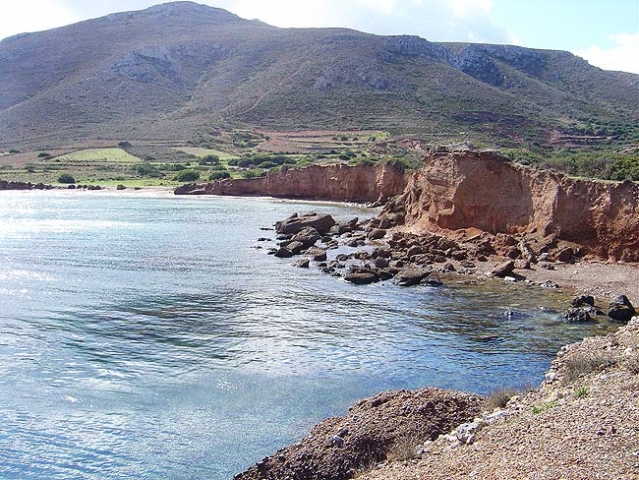
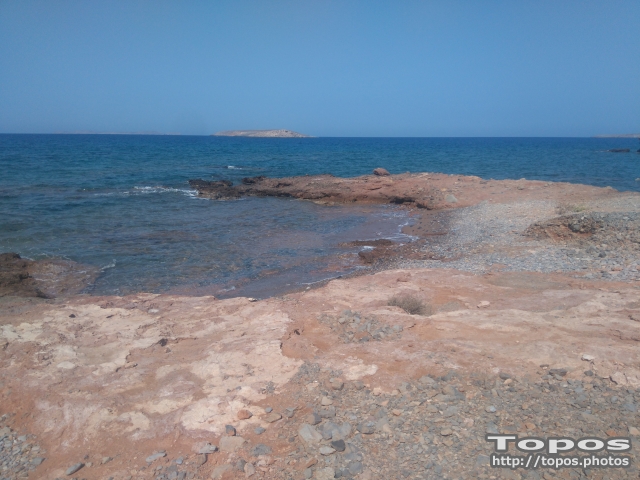
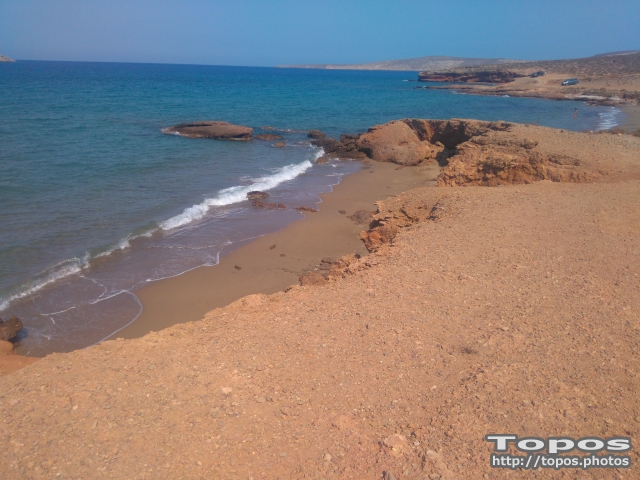
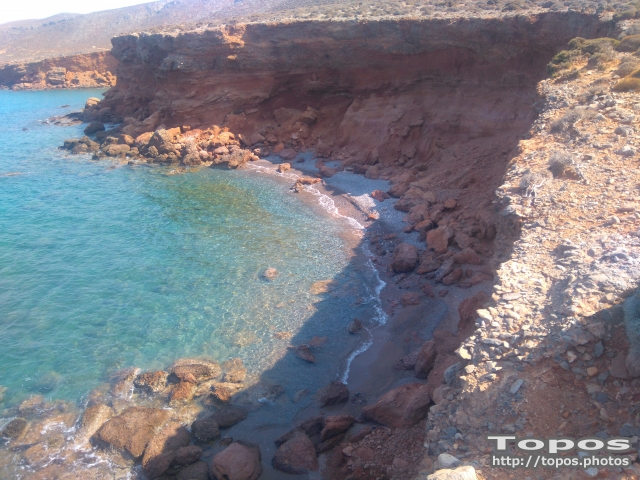
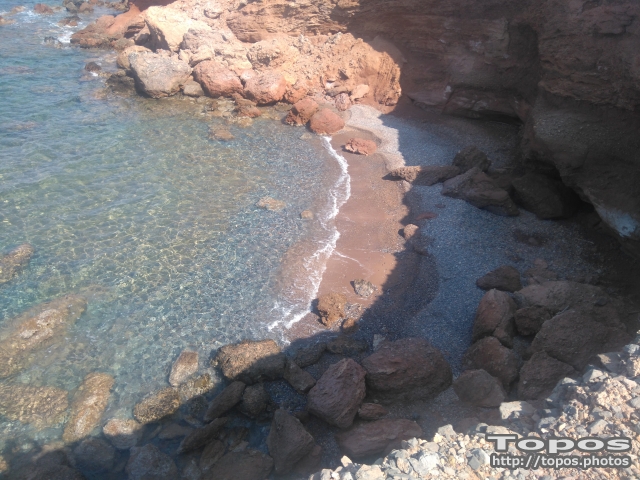
The feature of the area is the perfect peace and seclusion and you will surely enjoy your swimming in the clear blue waters of eastern Crete. The seashore around the area is wild and rocky, so the two beaches impress the human sight with their beauty.The beaches are only two and small, but the one (northern) is sandy and the most suitable for swimming. The second one (southern) has pebbles. The distance between these two beaches is almost 200 m.
There are among them amazing shapes of rocks and the area is known to those who love scuba diving and also for salt collection at the early summer months. The sea there is full of fish and the natives are used to fish there.Your sight will combine the deep blue of the sea with the dark colours of the cretan mountains and your body will enjoy the swimming.The only disadvantage is the lack of shadow, which is necessary at noon time, as the uphill way of return will try your physical condition.From the pebbled beach of Skinias, there is a signed path, relatively easy, which will lead you to the terrific beach of Karoumes and the area of the homonymous gorge, after 45-60 minutes of walking. Read about the hiking route Palekastro - Karoumes
Μέρη κοντινά με Σκινιάς


Αρχαιολογικός χώρος Παλαίκαστρου
Περίληψη
Στο βορειότερο άκρο της ανατολικής ακτής της Κρήτης υπάρχει ένας μινωικός οικσμός, που ήκμασε κατά τη διάρκεια της Υστερομινωικής περιόδου (1550-1220 π.Χ.), αποκαλύφθηκαν όμως και λείψανα της Πρωτομινωικής και Μεσομινωικής εποχής (3000-1550 π.Χ.), κυρίως νεκροταφεία, που περιλαμβάνουν καλά δομημένα "οστεοφυλάκια" αλλά και ερείπια αρκετά μεγάλων κατοικιών. Η κατοίκηση σταμάτησε την ίδια εποχή που ερημώθηκε η Ζάκρος (1450 π.Χ.). Μια ανακατάληψη σημειώθηκε κατά την Υστερομινωική ΙΙΙ περίοδο (1300-1200 π.Χ.). Η πόλη καταλάμβανε έκταση μεγαλύτερη από 50.000 τ.μ., ήταν ατείχιστη και πυκνοκατοικημένη.
Στα ΒΑ μιας από τις συνοικίες βρέθηκε το ιερό του Δικταίου Διός που ανήκε διοικητικά στην πόλη ΄Ιτανο. Η λατρεία σε αυτό ήταν συνεχής από τους Γεωμετρικούς χρόνους (8ος π.Χ. αιώνας) έως τη Ρωμαϊκή κατάκτηση. Φαίνεται πως το ιερό λεηλατήθηκε και καταστράφηκε από φανατικούς Χριστιανούς στα τέλη του 4ου μ.Χ. αιώνα.
Στην περιοχή Ρουσόλακκος, όπου η μινωική πόλη, έγιναν συστηματικές ανασκαφικές έρευνες από τον ΄Αγγλο αρχαιολόγο R. C. Bosanquet και συνεχίσθηκαν το 1906 από τον R.M. Dawkins, μέλη και οι δύο της Αγγλικής Αρχαιολογικής Σχολής. Κατά το Β΄ Παγκόσμιο πόλεμο καταστράφηκαν ορισμένες από τις συνοικίες που είχαν ανασκαφεί, ενώ πολλές καταστροφές προξένησε μηχανικός εκσκαφέας αργότερα. Στη χρονική περίοδο 1965-66 έγινε ανασκαφική έρευνα σε συνοικία της πόλης και στον γειτονικό λόφο Καστρί. Το 1986 άρχισαν ξανά ανασκαφικές εργασίες από την Αγγλική Αρχαιολογική Σχολή, στο χώρο των παλαιών ανασκαφών και συνεχίζονται ως σήμερα.
Ο ΜΙΝΩΙΚΟΣ ΟΙΚΙΣΜΟΣ
Η διάρθρωση της μινωικής πόλης έχει ως εξής:Τον οικισμό διασχίζει κεντρικός δρόμος, ενώ κάθετοι προς αυτόν μεγαλύτεροι και μικρότεροι πλακόστρωτοι και συχνά βαθμιδωτοί δρόμοι διαιρούν την πόλη σε εννέα συνοικίες. Το εξαίρετο αποχετευτικό σύστημα διακλαδίζεται προς όλες τις συνοικίες. ΄Οσα από τα σπίτια βρίσκονται κατά μήκος του κεντρικού δρόμου έχουν επιβλητικές προσόψεις.
Συνοικία Β: Περιλαμβάνει πέντε κατοικίες με μεγαλολιθικούς εξωτερικούς τοίχους, ενώ οι εσωτερικοί ήταν κτισμένοι με πλίνθους. Τα κατώφλια, οι πλακοστρώσεις των δαπέδων και οι βάσεις των κιόνων ήταν κατασκευασμένα από ειδικό ασβεστόλιθο, φερμένο από το Κάβο Σίδερο. Το σπουδαιότερο από αυτά τα σπίτια (δωμ.1-22) είχε είσοδο από τον κεντρικό δρόμο, ενώ από τον ίδιο χώρο ξεκινούσε κλίμακα που οδηγούσε σε δεύτερο όροφο. Πίσω από τον χώρο αυτό υπήρχε υπαίθρια αυλή με ξύλινους κίονες, των οποίων σώζονται οι λίθινες βάσεις. Οι κίονες εναλλάσονταν με τετράγωνες παραστάδες. Προθάλαμοι οδηγούν στο "μέγαρο", το κύριο δωμάτιο της οικίας, στο κέντρο του οποίου υπήρχε τετράγωνος χώρος που σε κάθε του γωνία σώζεται η βάση κίονα. Πρόκειται για φωταγωγό. Υπάρχουν ακόμα μαγειρεία, δεξαμενή καθαρμού, πηγάδι, οικιακό ιερό, αποθήκη λαδιού, λουτρό και χώρος υποδοχής που μεταγενέστερα χωρίσθηκε και μετατράπηκε σε αποθήκες. Ενδιαφέρον στην ίδια συνοικία είναι και ένα ελαιοτριβείο, όπως δεικνύει ένας διαχωριστήρας λαδιού και πίθοι για την αποθήκευσή του.
Συνοικία Δ: Είναι η μεγαλύτερη (1800 τ.μ.) και περιλαμβάνει πολλά σπίτια, το σπουδαιότερο από τα οποία (δωμ. 18-40) εμπεριέχει στο "μέγαρο" φωταγωγό, ανάλογο με εκείνον του σπιτιού της συνοικίας Β. Σε αντίστοιχη κατασκευή, στην ίδια συνοικία, υπάρχει και οχετός που αποχετεύει τα νερά της βροχής από αυτή την υπαίθρια εσωτερική αυλή στο δρόμο.
Συνοικία Γ: Το μεγαλύτερο σπίτι της συνοικίας έχει πολυτελή πρόσοψη με μεγάλες πελεκητές πέτρες αλλά και δεύτερη είσοδο, μέγαρο με φωταγωγό, λουτρό, εργαστήριο. Πολλά από τα αγγεία που βρέθηκαν έχουν διακόσμηση με αιγυπτιακή επίδραση. Τα σπίτια στη συνοικία αυτή, όπως και σε άλλες, φαίνεται ότι καταστράφηκαν από φωτιά.
Συνοικία Ε: Αποτελείται από τέσσερις τουλάχιστον κατοικίες, ορισμένες από τις οποίες κτίσθηκαν πάνω σε παλαιότερα θεμέλια, ένα μάλιστα από τα σπίτια κατοικήθηκε και κατά τους ιστορικούς χρόνους. Στην ίδια συνοικία αποκαλύφθηκε σταφυλοπιεστήριο.
Στα ΒΑ της συνοικίας Χ και μέσα στα θεμέλια των σπιτιών αποκαλύφθηκε το ιερό του Δικταίου Διός. Μια επιγραφή σπασμένη σε πολλά κομμάτια, με ύμνο στο Δία Δικταίο, βρέθηκε στη γύρω περιοχή. Ελάχιστα τμήματα του ναού σώζονται: ο περίβολος και μέσα σε αυτόν ο βωμός. Εκεί βρέθηκαν ακροκέραμα σε σχήμα κεφαλής λέοντος.


Είναι ένα ακόμα γνωστό φαράγγι της περιοχής με πολλούς επισκέπτες όλη τη διάρκεια του χρόνου. Το φαράγγι των Χοχλακιών ξεκινάει λίγο έξω από τον ομώνυμο οικισμό και καταλήγει στη πανέμορφη παραλία Καρούμες. Το φαράγγι είναι εντυπωσιακό με πλούσια χλωρίδα, εντυπωσιακές γεωμορφές και προσφέρει μία εύκολη πεζοπορική διαδρομή!


Agathias is a small village of 200 inhabitants. It is located between Palekastro village and Chiona Beach. Its main feature is its old narrow streets and the traditional houses.
The recent years there is a significant increase of tourism.


ANATOLI Rooms are located at the eastern side of the small, but picturesque traditional settlement of Agathias, 1 km far from the beach of Hiona and 1200m far from the beach of Kouremenos, known to the lovers of windsurfing.
Elia Studios’ complex of 6 studios – apartments (about 26-28m2 each one) is located on a quiet slope of a hill at the edge of the traditional settlement of Agathias, east Crete at Palekastro area.
Their exceptional position gives them superb views to the sea, the village and surrounding mountains.
The dictance from Heraklion Airport is 150km and from Sitia 20, Agios Nikolaos 85km.
Στην Κορυφή του Λόφου Πετσοφάς ανατολικά του Παλαίκαστρου βρίσκεται το ομώνυμο Μινωικό Ιερό Κορυφής της μεσομινωικής εποχής (2000 - 1600 π.Χ.), ένα από τα σημαντικότερα της Κρήτης. Ανάμεσα στα πολυάριθμα αναθήματα ξεχωρίζουν τα διπλά «κέρατα καθοσιώσεως», ειδώλια λατρευτών με ζώμα, πλούσια ενδύματα και περίτεχνες κομμώσεις. Τα ευρήματα στο Μουσείο Αγίου Νικολάου.

Karoumes Beach (or Chohlakies Beach): At the village Chohlakies begins a magnificent accessible Karoumes gorge that ends after 1,5 hour walking to the pure and scenic bay of Karoumes. Chochlakies village is located between Palekastro and Zakros.
You can approach this completely lonely beach only through this gorge! Karoumes is the most remote beach in Eastern Crete !! Chohlakies is located 8 km south from Palekastro, on the way to Zakros.

Skinias is the name not only of the beach, but of a larger region, 4 kms south-east of Palekastro, between the beaches of Hiona and Karoumes.
The quickest way to reach Skinias is along a dirt road starting from the settlement Agathias, 1 km eastern from Palekastro to the Plativola area and the little temple of Agios Spyridon. The distance from Agathias to the church is about 2-3 kms. You can drive there, but the area is paled with barbwires by the herdsmen. There are some gates made by barbwires, where you are allowed to enter and reach your destination.From the church of Agios Spyridon you will have to walk the next 1.5 kms. The area is very beautiful and you will enjoy the landscape especially before you reach the beaches, where the view is unlimited to the east.
The feature of the area is the perfect peace and seclusion and you will surely enjoy your swimming in the clear blue waters of eastern Crete. The seashore around the area is wild and rocky, so the two beaches impress the human sight with their beauty.The beaches are only two and small, but the one (northern) is sandy and the most suitable for swimming. The second one (southern) has pebbles. The distance between these two beaches is almost 200 m.
There are among them amazing shapes of rocks and the area is known to those who love scuba diving and also for salt collection at the early summer months. The sea there is full of fish and the natives are used to fish there.Your sight will combine the deep blue of the sea with the dark colours of the cretan mountains and your body will enjoy the swimming.The only disadvantage is the lack of shadow, which is necessary at noon time, as the uphill way of return will try your physical condition.From the pebbled beach of Skinias, there is a signed path, relatively easy, which will lead you to the terrific beach of Karoumes and the area of the homonymous gorge, after 45-60 minutes of walking. Read about the hiking route Palekastro - Karoumes

Skinias is the name not only of the beach, but of a larger region, 4 kms south-east of Palekastro, between the beaches of Hiona and Karoumes.
The quickest way to reach Skinias is along a dirt road starting from the settlement Agathias, 1 km eastern from Palekastro to the Plativola area and the little temple of Agios Spyridon. The distance from Agathias to the church is about 2-3 kms. You can drive there, but the area is paled with barbwires by the herdsmen. There are some gates made by barbwires, where you are allowed to enter and reach your destination.From the church of Agios Spyridon you will have to walk the next 1.5 kms. The area is very beautiful and you will enjoy the landscape especially before you reach the beaches, where the view is unlimited to the east.
The feature of the area is the perfect peace and seclusion and you will surely enjoy your swimming in the clear blue waters of eastern Crete. The seashore around the area is wild and rocky, so the two beaches impress the human sight with their beauty.The beaches are only two and small, but the one (northern) is sandy and the most suitable for swimming. The second one (southern) has pebbles. The distance between these two beaches is almost 200 m.
There are among them amazing shapes of rocks and the area is known to those who love scuba diving and also for salt collection at the early summer months. The sea there is full of fish and the natives are used to fish there.Your sight will combine the deep blue of the sea with the dark colours of the cretan mountains and your body will enjoy the swimming.The only disadvantage is the lack of shadow, which is necessary at noon time, as the uphill way of return will try your physical condition.From the pebbled beach of Skinias, there is a signed path, relatively easy, which will lead you to the terrific beach of Karoumes and the area of the homonymous gorge, after 45-60 minutes of walking. Read about the hiking route Palekastro - Karoumes






 Σύνδεση με
Facebook
Σύνδεση με
Facebook