



 Ανεβάστε φωτογραφίες από
Εκκλησία και μοιραστείτε τις μαζί μας!
Ανεβάστε φωτογραφίες από
Εκκλησία και μοιραστείτε τις μαζί μας!


 Διεύθυνση:
Μυλοπόταμος
Διεύθυνση:
Μυλοπόταμος  Τηλέφωνο:




Μέρη κοντινά με Εκκλησία
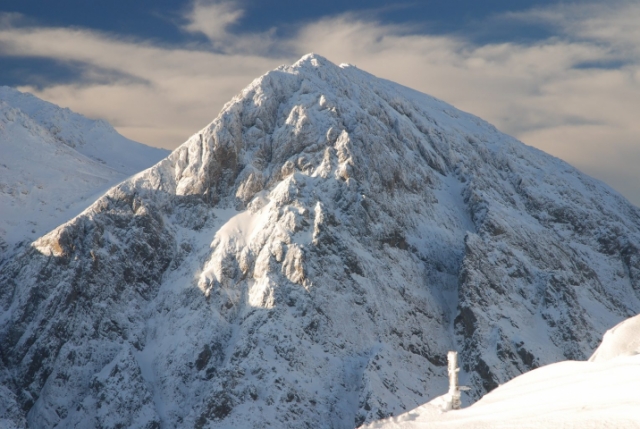

Mυθικό μα και ιερό βουνό από την αρχαιότητα ο Ψηλορείτης ή Ίδη κατέχει ιδιαίτερη θέση στην καρδιά κάθε κρητικού.Η ονομασία Ψηλορείτης είναι νεώτερη και αναφέρεται στο έγγραφο διανομής της Κρήτης στα δώδεκα αρχοντόπουλα το 1184 ως "το όρος το υψηλόν". (Η αρχαία ονομασία "Ίδη" ή στη δωρική διάλεκτο "Ίδα" προέρχεται από την εξαίσια θέα που παρουσιάζεται από την κορυφή, από όπου φαίνονται μεγάλες εκτάσεις (σχεδόν ολόκληρη η Κρήτη) και μάλιστα οι αρχαίοι έλεγαν ότι το βουνό αυτό έχει το προνόμιο να βλέπει τον ήλιο πριν ανατείλει.) Η πιο ακρι-
βής ετυμολογία της λέξης "Ίδη" ή "Ίδα" σημαίνει δασωμένο βουνό, δρυμός ή άλσος, πράγμα το οποίο υποδηλώνει ότι κατά τους αρχαίους χρόνους η δασοκάλυψη και γενικά η βλάστηση ήταν πολύ πιο πλούσια από αυτήν που βλέπουμε σήμερα.

Monastiraki is the archaeological site of an ancient Minoan town close to Monastiraki village on the island of Crete. The site is on the plain of Amari, west of the Ida massif. Monastiraki is 38 kilometers from Rethymnon.
Monastiraki was first excavated during World War II by the German Archaeological Institute. Excavations began again in 1980 by the University of Crete. Three areas have now been excavated. In the early 1980s an Italian team excavated a small area at the north end of the site where the first store of seals was found. Nearby is the area that was illegally excavated by the Germans during the Second World War.
Their excavation was based on the notebooks of the noted British archaeologist J.D.S. Pendlebury, who was captured and executed by the Germans after the Battle of Crete. The Germans concluded that Monastiraki was a small site and their excavations were not extensive. Greek archaeologists have recently revisited the German excavations with some interesting results.
The main part of the excavation lies to the south of these two areas and is under the supervision of Greek archaeologist Athanasia Kanda. There is not very much published in the public domain, and photography is still forbidden at the site, a ruling enforced by the local villagers who allow visitors onto the site.
Monastiraki likely dates to the Middle Minoan Old Palace period and was destroyed at the same time as the old palaces. Its importance for archaeology, then, lies in the fact that it was not subsequently built on and remains one of the best examples of Middle Minoan archaeology on the island. It is clearly located on a strategically important site, dominating the Amari Valley which connects the south coast of Crete to the west of Phaistos with the north coast of Crete at present day Rethymno. It is quite likely that Monastiraki was developed by Phaistos inhabitants founding a satellite center. (Hogan, 2007)
The site may have been a palace, and has thus far yielded a complex of buildings, including storehouses, two archive rooms of earthenware stamps and sanctuaries.


Vistagi is a mountain village (alt 500m) at the eastern side of the Amari valley 39 km far away from Rethymno City. In the past known as Pistagi or Bistagi or Bistaghi . It is mentioned in a document from 1577. Vistagi, one of the most beautiful villages on the island, built on a mountain and spread along the two sides of the road. The village is not on the classic tourist routes, so it has very few tourists and no infrastructure to accommodate them.
It is large and peaceful and very pleasing to walk through. Most of its houses have been whitewashed but some are painted in earth colours and especially ochre. The Amari valley and the snow-capped Psiloritis peaks all around complete the scenery that you can enjoy from here.

Many species of birds nest in the gorge, such as harrier eagles, vultures, wild pigeons and crows. Visitors will also come across abandoned olive groves, as well as a wide variety of indigenous and other plants of Crete, e.g. jerusalem sage (Phlomis fruticosa), campanula (Campanula tubulosa), kermes oaks, maples, and pines.
The trail leads to the cave of Pan, which was named thus, as according to the myth, this is the birthplace of the ancient God Pan. In the cave’s interior one can see decorations on the walls that may date back to the Minoan period and imply that this was a place of worship.
Platania Gorge is a unique trail, with impressive cliffs, vertical limestone rocks, rock roofs and caves. It is recommended for experienced mountaineers, although the first part of the trek is quite easy, even for children who are physically fit.Many species of birds nest in the gorge, such as harrier eagles, vultures, wild pigeons and crows. Visitors will also come across abandoned olive groves, as well as a wide variety of indigenous and other plants of Crete, e.g. jerusalem sage (Phlomis fruticosa), campanula (Campanula tubulosa), kermes oaks, maples, and pines.
The trail leads to the cave of Pan, which was named thus, as according to the myth, this is the birthplace of the ancient God Pan. In the cave’s interior one can see decorations on the walls that may date back to the Minoan period and imply that this was a place of worship.


 Σύνδεση με
Facebook
Σύνδεση με
Facebook