



 Ανεβάστε φωτογραφίες από
Εκκλησία και μοιραστείτε τις μαζί μας!
Ανεβάστε φωτογραφίες από
Εκκλησία και μοιραστείτε τις μαζί μας!


 Διεύθυνση:
 Τηλέφωνο:




Μέρη κοντινά με Εκκλησία

The Monastery is located 20km south of Heraklion town and it is hidden in the sides of the lush green Spiliotissa canyon. It can be easily accessed by walking on a green path, 500m long, from Houdetsi village. Along this path you will see the Byzantine churches of St. John and Anthony, and two old water mills. The church was founded in the early 17th century, after finding the image of the Virgin. The year 1649 was donated to the Monastery of Sinai because of the privileges and since then is in dependency of Sinai. The monastery because of lack of space and ιts quiet nature is unable to accept organized tourist groups.

The most interesting part of the stream, with a maximum natural, historical and religious beauty is what lies between the above settlements, and has a total length of approximately 1,5 km.
The area is rich with natural vegetation, trees, shrubs and low plants such as Tree, downy oak, Vitiligo, Willow, Laurel, Schinias, Carob, Ivy, bush etc. The local, climatic and hydrological conditions helps the cultivation of citrus groves and vineyards.The continuous flow of the stream comes not only from the winter rains but also from the artesian source Houdetsi. The stream is not only a habitat of plants. There are many other birds and small mammals that nest in this, finding food and water. All these make a beautiful landscape of colors and sounds.The history of the Monastery of Panagia Spiliotissa wchich is located in the gorge and only 500m far from Houdetsi village, begins around 1000 AD. Today belongs to St. Catherine of Sinai.Visitors to the area can walk in a well structured path near the stream, enjoying the unique natural landscape from the settlement of Houdetsi to the settlement of Agios Vasilios, or vice versa.

The religious festivals that take place on these dates constitute important events during which one can watch stock-raisers come to the monastery holding lambs and cheese which they leave at the church as offerings to the Saint.
At the small museum of the monastery important relics and icons are kept. Make sure you see the illustrated manuscripts with excellent miniatures of the 17th and 19th century found there but also, in the shop of the museum, the books that were written by the late calligrapher monk named Gabriel Mamougiorgis. The point is not to forget to visit the museum…
The monastery was probably founded during the 16th and 17th century but it developed during the period of the Turkish occupation (1669 – 1898). It acquired vast property and played the role of a centre of resistance against the Turks. The great number of monks who live there nowadays is an excellent example of how the island’s monastic tradition is preserved.
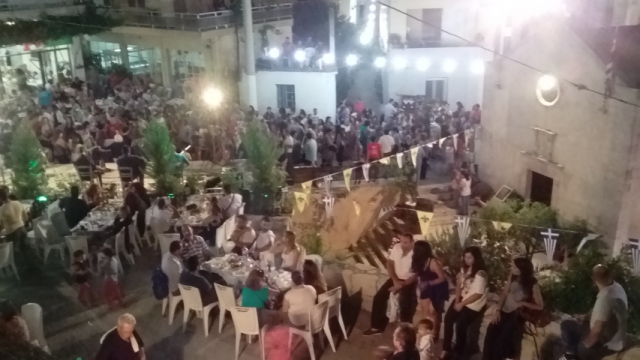

Το Χουδέτσι βρίσκεται 22 χιλιόμετρα νότια της πόλης του Ηρακλείου στην επαρχία Πεδιάδος, χτισμένο σε υψόμετρο περίπου 440 μέτρων.
Οι κάτοικοι του χωριού ασχολούνται κυρίως με αγροτικές δουλειές όπως η ελαιοκομία και η αμπελουργία, που μάλιστα τα κατάφυτα από αμπελώνες περίχωρα του χωριού φημίζονται για το εξαιρετικής ποιότητας κρασί που παράγουν.
Ιστορικά το χωριό φαίνεται να κατοικείται από τη Μεσομινωική εποχή λόγο των διαφόρων ευρημάτων και ειδωλίων που βρέθηκαν στη θέση Κορφή, καθώς και ευρημάτων ελληνιστικής εποχής όπως μία μικρή πήλινη κεφαλή της θεάς Αθηνάς η οποία φέρει κράνος και εγκαταστάσεις υδραγωγείου.
Houdetsi music Festival
Κάθε καλοκαίρι εδώ πραγματοποιείται ένα από τα σπουδαιότερα πολιτιστικά δρώμενα της περιοχής, το Houdetsi music Festival, το οποίο προσελκύει μεγάλος πλήθος κατοίκων από ολόκληρο το νησί αλλά και τουριστών, οι οποίοι έχουν την ευκαιρία να ακούσουν μουσικές από όλο το κόσμο, να γευτούν τοπική κουζίνα, να πάρουν μέρος σε δραστηριότητες και να παρακολουθήσουν καλλιτεχνικές παραστάσεις.


Τα Λιβάδια είναι ένα ερειπωμένο χωριό στο Μονοφάτσι. Σήμερα διατηρούνται μονάχα λείψανα κτισμάτων στο μέρος που ήταν τα Λιβάδια. Τα μεν σπίτια των κατοίκων του, έχουν καταστραφεί εντελώς. Κατερειπωμένος, αλλά σε καλύτερη κατάσταση από τα υπόλοιπα κτίσματα, διατηρείται στο υψηλότερο σημείο του οικισμού, ο πύργος των Λαγγουβάρδων. Ο πύργος βρισκόταν στη μέση του χωριού και γύρω-γύρω τα σπιτάκια των κατοίκων του, που ήταν όλοι φαμέγιοι του Λαγγουβάρδου και δούλευαν στα χωράφια και τα βοσκοτόπια του. Η χρήση του χώρου του, μέχρι και σήμερα για τον σταυλισμό των ζώων επέτειναν την καταστροφή του.


 Σύνδεση με
Facebook
Σύνδεση με
Facebook