



 Ανεβάστε φωτογραφίες από
ΚΕΠ ΔΗΜΟΥ ΑΡΧΑΝΩΝ Ν. ΗΡΑΚΛΕΙΟΥ και μοιραστείτε τις μαζί μας!
Ανεβάστε φωτογραφίες από
ΚΕΠ ΔΗΜΟΥ ΑΡΧΑΝΩΝ Ν. ΗΡΑΚΛΕΙΟΥ και μοιραστείτε τις μαζί μας!


 Διεύθυνση:
 Τηλέφωνο:




ΚΕΠ ΔΗΜΟΥ ΑΡΧΑΝΩΝ Ν. ΗΡΑΚΛΕΙΟΥ
ΚΕΠ ΔΗΜΟΥ ΑΡΧΑΝΩΝ Ν. ΗΡΑΚΛΕΙΟΥ
Μέρη κοντινά με ΚΕΠ ΔΗΜΟΥ ΑΡΧΑΝΩΝ Ν. ΗΡΑΚΛΕΙΟΥ


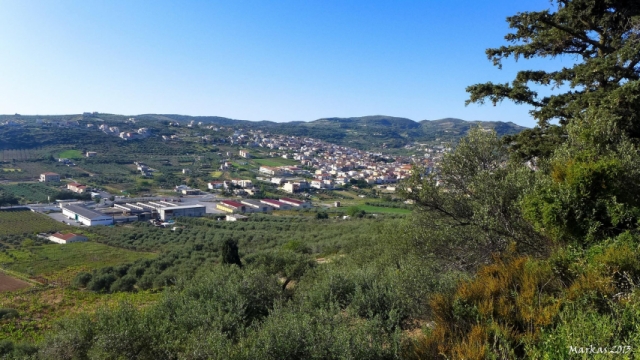

Archanes, Heraklion Archanes, Heraklion Archanes, Heraklion Archanes, Heraklion Archanes, Heraklion
Newer History
The 20th century gives in Archanes the chance to start a new chapter of peaceful life. The rifle is stored; the ground is planted with trees and vines, new houses were built and new streets were created. Charilaos Markodimitrakis did the first inventory and municipal census in 1900-1901, while the same year begins the building of the new school that was completed in 1925.In 1901 the new Cemetery was inaugurated. Until then, the courtyard of the church of Virgin Mary was used.At the war of komitatzidon (1904), the Archanians were among the first to fight and honoured not only Archanes, but also the entire Crete. Archanians during that time had remarkable activity in every sector of life, however the immigration movement of these years did affect them. North and South America, Egypt and other countries received hundreds of Archanians.The first car made its appearance in the town in 1913. During the revolutionary wars of 1912-13, the Archanian’s contribution was great, in Epirus, Macedonia and Asia Minor. Tens were the wounded and sick that turned back from war expedition in Asia Minor.The Union of Reservist Officers in order to thank and honour their offer and sacrifice, built in 1928 a memorial made of marble in the entrance of the town, where all names of fallen Archanians in these heroic wars are recorded.Period between First and Second World WarIn 1922 many refugees from Asia Minor came in Archanes, Archanians offered them care and work. The refugees were based in the western side of the village, in the neighbourhood that until today is called Synoikismos (Settlement). As time passed the old Municipalities of Crete were abolished and Archanes became a Community that included only the town of Archanes and the settlements of Bathypetro and Karnari.In 1925 the Credit Association that constituted the core of the current “Wine, Olive and Credit Cooperative of Archanes” was founded, one of the greatest Agricultural Organizations in Greece, while the same time the first High School starts to train students in the town.In 1926 for the first time the town receives electricity and during the next year (1927) a voiceless cinema room in the beginning and later a regular cinema room operates. The same year the first hydraulic network of the town is organized.In January 1929 for the first time in Archanes a regular Census service begins to operate. The “EDUCATIVE ASSOCIATION” as well as the Conservatoire of Archanes as an annex of the Conservatoire in Athens begin to operate. However, after the German Occupation the Conservatoire did not operate again. On the contrary, the scout teams that were founded the same period continue their action even today.During the decade 1931-40 the “Rozaki” wine of Archanes acquires great fame both in Greece and in markets abroad while great quantities of precious raki are produced.Albanian War and the German OccupationDuring the Albanian war, Archanians fought with the heroic Fifth Cretan Division, in the mountain sector of “Trempesinas - Senteli” and even in heights of 1800-2000 meters, where the Division suffered tremendous losses, more losses than any other division of the Greek army at that time.In the battle of Crete, Archanes played an important role in the resistance of the island against the Germans. During the period of German occupation, the Administrative center of the Greek Forces is based in the region, while at the same time a military hospital is operating. The most impressive, however, fact of the Cretan resistance was the kidnapping of German general Kraipe, which took place in the area of Archanes.
Archanes, Heraklion Archanes, Heraklion Archanes, Heraklion Archanes, Heraklion Yiouchtas mountain in Archanes, Heraklion
Archanes today Today - Rebuilding programs
POPULATION: 3860 (Census 2001)ALTITUDE: 380m.DISTANCE FROM Heraklio: 15 km
The rich architectural heritage of the municipality of Archanes and the sensitivity of the locals, gave the momentum in the beginning of the 90’s in the municipal authority of that time to begin the Archanes’ rebuilding program.The construction projects that preceded the rebuilding program were:• Manufacture of separate sewage network separating sewages and rain waters• Replacement of water supply network• Construction of underground electrical network by the Greek NATIONAL ELECTRICAL COMPANY, removal of pillars and placement of municipal lighting on poles and walls in traditional form.• Construction of underground TV networks so that building roofs no longer suffer from the abundance of non-aesthetic aerials.Projects that followed:• Rebuilding of communal spaces, squares and parks• Upgrading of municipal roads along with their paving, manufacturing of flowerbeds and planting of ornamental plants.• Restoration and re-establishment of traditional and neoclassic municipal buildings, churches and residences.• Rebuilding and upgrading of the market. The aspects of shops were restored, metal shelters were placed and store labels as well as luminous signs were replaced with new painted wooden ones that respect the traditional character of the municipality.www.archanes.gr


Το δάσος Φουρνί είναι ένα μικρό τεχνητό δασάκι στο λόφο "Κεφάλα" δίπλα στο χωριό Κάτω Αρχάνες. Το όνομα του το παίρνει από το ομώνυμο προμινωικό νεκροταφείο που έχει βρεθεί στη νότια πλευρά του λόφου.
Το δάσος παρά το μικρό του μέγεθος είναι κατάφυτο με πεύκα και κυπαρίσσια και προσφέρει αρκετά μονοπάτια, ιδανικά για πεζοπορία αλλά και ποδήλατο βουνού. Αποτελεί ιδανικό προορισμό για μια Κυριακάτικη βόλτα στη φύση αφού απέχει περίπου 17 χιλιόμετρα από τη πόλη του Ηρακλείου. Στα βορειοδυτικά στην έναρξη σχεδόν του κυρίως μονοπατιού βρίσκεται ένα μικρό πέτρινο θεατράκι από όπου μπορείτε να απολαύσετε τη θέα προς τις Αρχάνες.

Το χωριό Κάτω Αρχάνες βρίσκεται 14 χιλιόμετρα νότια της πόλης του Ηρακλείου σε υψόμετρο 360 μέτρων, στην εύφορη πεδιάδα με τους αμπελώνες κάτω από το όρος Γιούχτα.
Το χωριό στην ουσία έχεις σχηματιστεί από 4 τέσσερις παλαιότερους οικισμούς, τις Κάτω Αρχάνες, τα Αμπελά, την Κερά Ελαιούσα, και τις Πατσίδες. Για πρώτη φορά αναφέρεται σε ενετικά έγγραφα με τα ονόματα δύο εκ των οικισμών, Arcanes Catto, Pacidhes Apano και Pacidhes Catto.
Ο πληθυσμός του χωριού ανέρχεται σύμφωνα με την απογραφή του 2011 σε 610 κατοίκους. Οι κύριες ασχολίες των κατοίκων του χωριού είναι η αμπελοκομία και η παραγωγή σταφίδας.

Το διδακτήριο Άνω Αρχανών στο οποίο σήμερα στεγάζονται τα δύο Δημοτικά Σχολεία και το Νηπιαγωγείο Άνω Αρχανών είναι πολύ αξιόλογο κτίσμα του τέλους του περασμένου αιώνα. Τη μελέτη του άρχισε να εκπονεί το 1899 ο αρχιτέκτονας Σαλιβέρος ο οποίος ανήκε στο επιτελείο του Αρμοστή Κρήτης Πρίγκηπα Γεωργίου. Το οικόπεδο που επιλέχθηκε για την κατασκευή του βρισκόταν στην θέση «Πατητήρια? στην βορειοανατολική είσοδο του οικισμού, εκεί όπου κατά την μεγάλη Κρητική Επανάσταση του 1897 υπήρχε το στρατόπεδο του «Τάγματος Επιλέκτων Κρητών? του Ιωάννη Νταφώτη. Το κτιριολογικό του πρόγραμμα καταρτίστηκε με υποδείξεις του δασκάλου Σημαντήρα ώστε να καλύψει τις ανάγκες της κωμόπολης. Ο όγκος και η σημασία του κτηρίου μαρτυρούν τη σπουδαιότητα που δόθηκε στην κάλυψη των κτιριακών αναγκών της εκπαίδευσης ενός πλουσίου και σημαντικού οικισμού. Τα σχέδια τελείωσαν το 1901 και άρχισε αμέσως η κατασκευή του έργου το οποίο αποπερατώθηκε με δωρεές πλουσίων Αρχανιωτών από τις Η.Π.Α. Το κτήριο λειτούργησε ως εκπαιδευτήριο μέχρι τον δεύτερο παγκόσμιο πόλεμο. Τότε αναγκάσθηκαν να μεταφέρουν και να στεγάσουν εδώ τους αρρώστους του Πανανείου Δημοτικού Νοσοκομείου Ηρακλείου, όπως επίσης και τους τραυματίες της Μάχης της Κρήτης. Στη διάρκεια της Γερμανικής Κατοχής στεγάστηκε στο κτήριο η Γερμανική Μεραρχία του Μύλερ τον οποίο αντικατέστησε μετά ο στρατηγός Κράιμπε. Από το στρατηγείο αυτό ο Μύλερ κατεύφθυνε τις επιχειρήσεις της περίφημης μάχης της Βιάννου. Επίσης από το κτήριο αυτό τον Απρίλη του 1943, ο στρατηγός Κράιμπε αναχώρησε μετά από δεξίωση για κάποια γερμανική επέτειο για το νυκτερινό του κατάλυμα στην Κνωσό και κατά τη διαδρομή έγινε η απαγωγή του από αντιστασιακές ομάδες και η μεταφορά του στη συνέχεια στην Αίγυπτο.
Μετά την απελευθέρωση στο διδακτήριο στεγάσθηκαν για λίγο διάστημα αντιστασιακές οργανώσεις της Ανατολικής Κρήτης και μετά το 1945 άρχισε να λειτουργεί ξανά ως διδακτήριο. Η χρήση αυτή συνεχίζεται μέχρι σήμερα.
Πρόκειται για κτήριο λιθόκτιστο που στεγάζεται στο μεγαλύτερο μέρος του με ξύλινη κεραμοσκεπή στέγη. Οι κατόψεις του υπογείου και του ισογείου αναπτύσσονται σε σχήμα Π ενώ δεύτερος όροφος έχει κατασκευασθεί μόνο στο μεσαίο τμήμα πράγμα που προσδίδει μνημειακό χαρακτήρα στην όλη αρχιτεκτονική σύνθεση.
Η οργάνωση των όψεων έχει γίνει σύμφωνα με τα πρότυπα του νεοκλασικισμού. Άξονες συμμετρίας διέπουν το κτήριο, η κύρια όψη είναι ιδιαίτερα προσεγμένη και τονίζεται η κεντρική είσοδος με προεξοχή του τμήματος αυτού με μπαλκόνι και αετωματική απόληξη. Τα ανοίγματα είναι υψίκορμα, με ενδιαφέροντα μορφολογικά τζαμιλίκια στην κύρια όψη, ενώ είναι απλούστερα στις πλάγιες και πίσω όψεις. Τέλος γείσα και ψευδοπαραστάδες στην κύρια και στις πλάγιες όψεις χαρακτηρίζουν μορφολογικά το κτίσμα. Είναι πολύ ενδιαφέρον δείγμα ειδικού κτηρίου κατασκευασμένου σύμφωνα με τα πρότυπα της νεοκλασικής αστικής αρχιτεκτονικής, όπως αυτά εφαρμόστηκαν σε ένα πλούσιο επαρχιακό κέντρο, πολύτιμο για τη μελέτη της ιστορίας της αρχιτεκτονικής και έχει αναπόσπαστα συνδεθεί με την ιστορία του τόπου και τις μνήμες των κατοίκων.


 Σύνδεση με
Facebook
Σύνδεση με
Facebook