



 Upload your photos for Nera and share them with us!
 Press here.


 Address:
Κάλυμνος 852 00, Ελλάδα
Address:
Κάλυμνος 852 00, Ελλάδα  Telephone:




Places near Nera


The beach Vlychadia is a little farther from Pothia (5 kilometers away). Vlychadia actually consists of two different beaches, a pebbly one and a sandy one.
Both of them are relatively shallow and therefore particularly suitable for families with young children. In Vlychadia you will find enough trees for shade after your dives, and rooms, restaurants and cafes.
The people who love action can visit the diving center, where courses are offered to the friends of the -famous to the fishing and snorkeling fans- Kalymnian seabed.

Vlychadia is located in the southern part of Kalymnos, just 5 kilometers away from the capital Pothia. The beautiful seaside scenery, the wonderful beaches and the plethora of traditional tavernas and cafes will ensure your beautiful moments of relaxation and recreation.
In Vlychadia you can visit the privately owned Marine Life and Findings Museum, where you will see exhibits relative to sponge catching and various objects from the depths of the Mediterranean.
It is also worth visiting the Kefalas cave (or 'Cave of Zeus'), the most beautiful cave of Kalymnos, located only two kilometers southwest of Vothynoi. Sea trips are held daily to the cave, by boats that depart from the port of Pothia. Alternatively you can go to the cave by following the path that passes in front of the Monastery of St. Catherine.
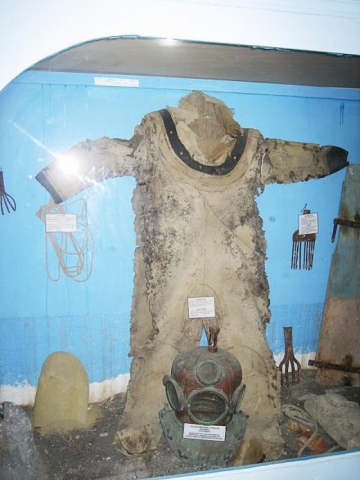

This is a private museum, a life's work of Valsamidis brothers, who were born and live in Kalymnos. Their love for the sea and the willingness to share its joys and wealth with other people, lead them build this museum with enormous personal effort and enthusiasm. The result of their work will impress you.
The findings, which have been collected after thousands of divings in the sea all around the world, include almost anything that can be found on the seabed; fish, shells, shellfish, starfish, corals, sharks, turtles and tortoises, and of course all kinds of sponges.
Part of the museum is dedicated to the profession of sponge collectors. In these rooms you will see the tools and diving suits that were used by scuba divers from 1872 until today.
In a separate wing findings of the WWI and WWII are exhibited, such as torpedoes, pieces of planes etc while in a specially designed area jars of 6th, 4th, 3rd and 2nd BC century are being kept.
In the museum there is also a collection of about 2000 photographs that demonstrate the history and the traditions of the sponge collectors. In the museum you will also witness the sponge processing and you may find nice souvenirs such as sponges, corals and shells in the store that operates within.


 Login with
Facebook
Login with
Facebook