




 Upload your photos for Stavromenos peak sanctuary and share them with us!
 Press here.


Prefecture: Lassithi
 Address:
Ανατολή, Ιεράπετρα
Address:
Ανατολή, Ιεράπετρα  Telephone:




Stavromenos peak sanctuary
In rocky hill Stavromenos an important peak sanctuary was established during the Minoan era. The superb location allows the supervisory control both northern Cretan and the South to the Libyan Sea, while in the immediate environment also stands the Minoan Gaidourofas building. As indicated by various offerings found in the area, the worship in this position continued until Roman times.
During the Middle Minoan period (2100-1700 BC) was particularly endearing the exercise of public worshipness in the countryside and particularly in top peaks of mountains. Here was used for inhabitants to gather to the surrounding villages in order to lay their votive like clay figurines of men, women and animals.
Places near Stavromenos peak sanctuary
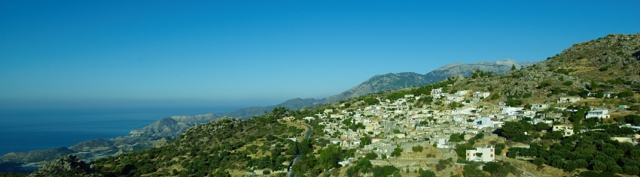

Village of the rising sun as the name implies. Old, historic, traditional village 17 KM Northwest of ierapetra, at an altitude of 600 m of homes visible from, is nested in the mountain stronghold of the East.
The 70s most of the inhabitants of the East went to Cabo and dealing with greenhouse crops. Founded along with residents of other villages settlements Spout, New East, Ammoydares. The small picturesque village of Monks who, according to tradition, it was built by a Turkish Agha belongs to the East. Referred from the Venetian era. The 1583 along with the Monks had 666 inhabitants. In 1951 with 897 in 2001 along with the New East 1235 inhabitants. There is a ruined Venetian feudal Lord's tower north of the village.
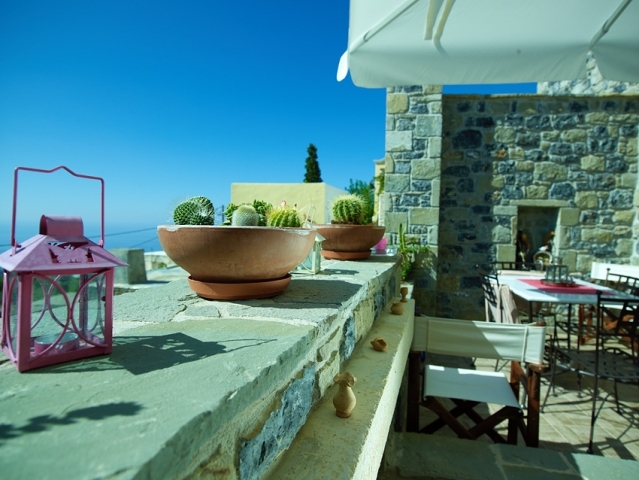
Many ecclesiastical monuments, Monasteries, great art Byzantine icons. The old traditional village of East remained unchanged in time, with its stone houses, narrow streets, the old Down faucet.




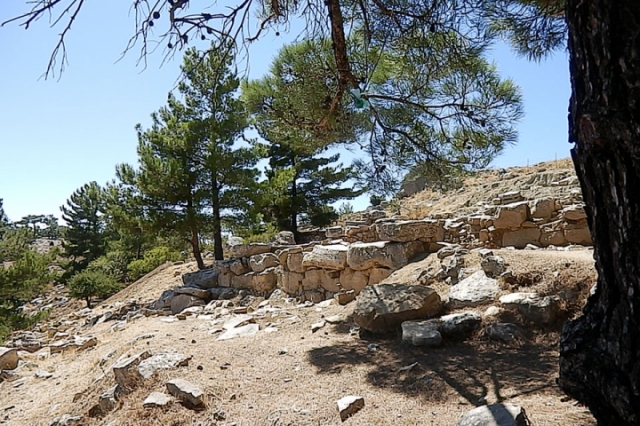

The Minoan building in Gaidourofas in Anatoli was identified in 1898 by Arthur Evans. Recent excavations brought to light a well-preserved and impressive building dating to the Late Minoan period (1600-1450 BC).
It is a two-floor construction with impressive façade with megalithic style and walls that have survived almost in 2m height. From the rooms that have been excavated until today it is particularly referred to warehouse full of jars, just like a crypt pillars, typical Minoan cult architecture.
The size and construction of the building permit the conclusion that it was administrative and an economical area center, while its position to southern slopes of Dikti at an attitude of 900 meters, obviously aimed at the economic exploitation of the mountainous landscape to livestock products, honey, resin and lumber.


 Login with
Facebook
Login with
Facebook