





 Upload your photos for Vrontissi mon. and share them with us!
 Press here.


Prefecture: Heraclion
 Address:
 Telephone:




Vrontissi mon.
Η Μονή Βροντησίου βρίσκεται ανάμεσα στα χωριά Ζαρός και Βορίζια της επαρχίας Καινουρίου και τιμάται στη μνήμη του Αγίου Αντωνίου. Η εποχή της ίδρυσής της δεν έχει εξακριβωθεί. Σύμφωνα με την παράδοση που μεταφέρει ο Στ. Σπανάκης ήταν μετόχι της Μονής Βαρσαμονέρου, που βρίσκεται σε μικρή απόσταση. Η ονομασία της μονής ενδεχομένως σχετίζεται με τον ιδρυτή της, αφού σε έγγραφο του 1323 αναφέρονται 4 ιερείς στο Χάνδακα με το όνομα Βροντίσης.
Έγγραφες μαρτυρίες για τη μονή υπάρχουν από το 1400, ενώ από το 1500 φαίνεται ότι γνώρισε ιδιαίτερη άνθιση, μετά την παρακμή της Μονής Βαρσαμονέρου. Κατά τον τελευταίο αιώνα της Ενετοκρατίας εξελίχθηκε σε ένα από τα σημαντικότερα κέντρα μοναχισμού της Κρήτης, όπου άνθισαν τα γράμματα και οι τέχνες, ιδιαίτερα η ζωγραφική. Κατά μια παράδοση μάλιστα στη μονή Βροντησίου μόνασε ο Μιχαήλ Δαμασκηνός. Κατά τη διάρκεια της εκεί παραμονής του φιλοτέχνησε έξι από τις πιο γνωστές εικόνες του, που παρέμεναν στο μοναστήρι μέχρι το 1800. Τη χρονιά αυτή ο επίσκοπος Γεράσιμος τις μετέφερε στον Άγιο Μηνά, ενώ σήμερα εκτίθενται στη Συλλογή της Αγίας Αικατερίνης των Σιναϊτών.
Μετά την οθωμανική κατάκτηση του νησιού, τα στρατεύματα του Κιοπρουλή, μετά από δική του εντολή, δεν έθιξαν το μοναστήρι. Ωστόσο στην επανάσταση του 1866 τέσσερις από τους μοναχούς σφαγιάστηκαν, το καθολικό και 10 από τα κελιά κάηκαν και οι αγροτικές καλλιέργειες της μονής πυρπολήθηκαν, επειδή προσέφερε καταφύγιο στους επαναστάτες του Μιχαήλ Κόρακα. Ακολούθησε η εγκατάλειψη της μονής για να αποτελέσει ξανά καταφύγιο των Κρητών επαναστατών το 1878. Κατά τη διάρκεια των δυο επαναστάσεων τα περισσότερα από τα κειμήλια καταστράφηκαν. Σήμερα το μοναστήρι λειτουργεί ξανά.
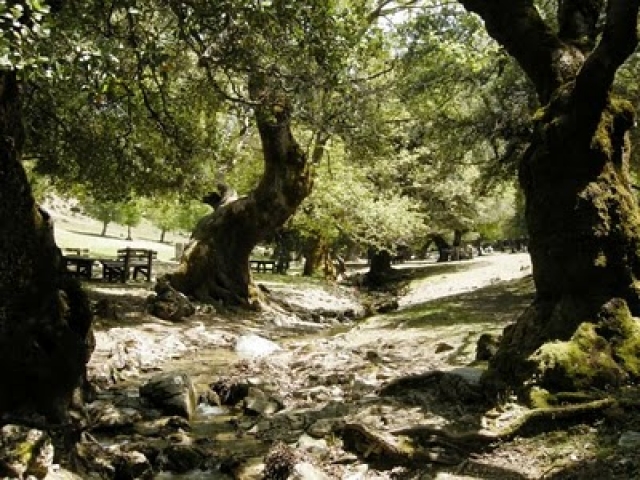
Στις μέρες μας αν και η μονή έχει χάσει μεγάλο μέρος της παλιάς της αίγλης από την κατεδάφιση του φρουριακού συγκροτήματος και την ανέγερση νέων κτισμάτων, εξακολουθεί να είναι επιβλητική. Λίγο πριν την είσοδο του μνημείου, πλάι σε αιωνόβιο πλατάνι, σώζεται μια μνημειακών διαστάσεων κρήνη του 15ου αι. Οι ανάγλυφες παραστάσεις της που εικονίζουν τον Αδάμ και την Εύα στον Παράδεισο, το Θεό και στα πόδια τους τέσσερις φιγούρες που συμβολίζουν τους τέσσερις ποταμούς της Εδέμ, από το στόμα των οποίων τρέχουν αντίστοιχοι κρουνοί με νερό, έχουν εκτελεστεί με μοναδική καλλιτεχνική δεξιότητα. Η παλαιά είσοδος έχει αντικατασταθεί, διατηρούνται όμως ευδιάκριτα λείψανά της.
Το καθολικό είναι δίκλιτος, διμάρτυρος ναός. Το ένα κλίτος είναι αφιερωμένο στον τιμώμενο άγιο της Μονής Αντώνιο και το δεύτερο στον απόστολο Θωμά. Το κωδωνοστάσιο αποτελεί ανεξάρτητο οικοδόμημα, με χαρακτηριστικά που παραπέμπουν άμεσα στην ενετική αρχιτεκτονική. Στο νότιο κλίτος διασώζονται τμήματα του τοιχογραφικού διακόσμου. Ξεχωρίζουν η μοναδική στην κρητική εικονογραφία παράσταση του Δείπνου στους Εμμαούς στην κόγχη του βήματος, η Κοινωνία των Αποστόλων στην καμάρα του και οι παραστάσεις των Μηνολογίων στην καμάρα του κυρίως ναού. Χαρακτηριστική είναι η μορφή του Αγίου Συμεών του Θεοδόχου που κρατά στην αγκαλιά του το βρέφος Ιησού.
Οι τοιχογραφίες της Μονής Βροντησίου μαρτυρούν το υψηλό καλλιτεχνικό επίπεδο που διατηρούσε η κρητική τέχνη στις τελευταίες δεκαετίες του 14ου αι. και τη σχέση της με μεγάλα καλλιτεχνικά κέντρα, όπως τη Μακεδονία. Οι μορφές είναι ογκώδεις αλλά ωραίες, με στάσεις κομψές και συγκρατημένη κίνηση. Το πλάσιμο είναι προσεκτικό και λεπτομερειακό στις ολόσωμες μορφές του νότιου τοίχου και ελεύθερο, με πολλά συμπληρωματικά χρώματα στις ρεαλιστικές μορφές των παραστάσεων.
Places near Vrontissi mon.


The Varsamonerou Monastery lies in the surrounding fields of the village Voriza, 54.5 kms from Heraklion City. The monastery is abandoned and, though its cells have been destroyed, its church has some of the most remarkable wall paintings in Crete. These paintings show the high artistic level of the different schools in 15th century Crete.Nowadays the church is known as Agios (Saint) Fanourios but it is also dedicated to Our Lady of the Way and to Saint John: through the years, several extensions were added to the original nave.
The oldest section of the church, dedicated to Our Lady of the Way, has wall paintings that date back to the 14th century. This north nave contains, among others, the outstanding representations of Saint John from Damas, Saint Onoufrios and the Dormition; in the south -and more recent nave- dedicated to Saint John the Forerunner, one can admire several scenes from the Passion (The Entrance to Jerusalem, the Last Supper, the Treason of Judas), the Crucifixion and the Epitaph.
The arch and eastern section of the church are from the 15th century (1400-1407).
All these wall paintings form an important part of the Cretan heritage during the first centuries of Venetian rule. In the Varsamonerou Monastery there were other remarkable icons, painted by the famous artist Angelos, and the beautifully carved iconostasis of the monastery is now in the Historical Museum of Crete, in Heraklion. This iconostasis is an outstanding example of religious art.The monastery, famous for all the art representations it possessed, was also known for its studies: a great number of books were to be found in its library. Not only religious books but ancient Greek texts as well: a catalogue, dating back to 1644, gives us the names of several philosophical treaties by such writers as Xenophon, Eschynis, Plutarch, etc.The monastery was abandoned at the beginning of the 18th century.
Large parts of the murals from that era are also preserved. It is probable that it was a convent that was deserted after a natural disaster. On the eastern slope of the mountain, around 500 m from Agios Nikolaos one can find the small cave of Aghios Efthimios.In the Venetian years it was glebe of the Varsamonero monastery and was called Aghios Nikolaos in Karopouliana. The 1644 census indicates that it was a herding area.The glebe was preserved throughout the Ottoman period, while in the end of the 19th century a group of nuns settled in Agios Nikolaos. Many of the cells were renovated and the surrounding land, which was substantially large, started being cultivate.


Zaros Village: Zaros is a picturesque village located at the southern slope of the mountain Idi or Ida (Psiloritis) at 340m a.s.l, 45 km from Iraklion. It has 2,241 permanent residents. The main occupation of the inhabitants is farming and stock breeding, while there are quite a few traditional workshops of weaving, painting (icons), and musical instruments.
The name Zaros is considered to be prehellenic, and means the abundant water flow. It is clearly indicative of an age old history which is further verified by the Minoan findings in the Kourtes area, as well as the remnants of the Roman aqua ducts from which
ancient Gortina got its water supply.
The temple was closely connected to the religious activity in the region during the 14th-15th century and to the Monstery of Varsamonero. It might have been a chapel of the Monastery. In the older times, it was a hermitage.
Next to the cave-temple there are caves and cavities that also served as hermitages. The location has all the characteristics of a hermitage site: it is isolated, far away from inhabited areas and only a hard-to-access path leads there, which is also dangerous due to frequent earth and rock falls.


 Login with
Facebook
Login with
Facebook