



 Upload your photos for 4ο ΝΗΠΙΑΓΩΓΕΙΟ ΗΡΑΚΛΕΙΟΥ and share them with us!
 Press here.


 Address:
 Telephone:




4ο ΝΗΠΙΑΓΩΓΕΙΟ ΗΡΑΚΛΕΙΟΥ
4ο ΝΗΠΙΑΓΩΓΕΙΟ ΗΡΑΚΛΕΙΟΥ
Places near 4ο ΝΗΠΙΑΓΩΓΕΙΟ ΗΡΑΚΛΕΙΟΥ


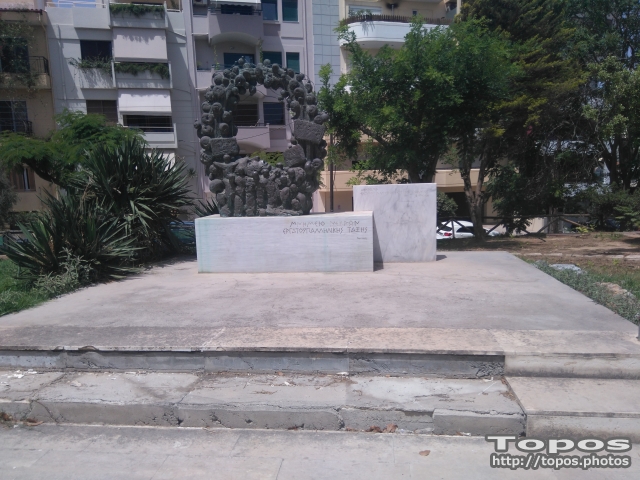
ΤΜΗΜΑ ΠΟΙΝΙΚΟΥ ΜΗΤΡΩΟΥ ΕΙΣΑΓΓΕΛΙΑΣ ΠΡΩΤΟΔΙΚΩΝ ΗΡΑΚΛΕΙΟΥ


The church of Saint Titus (First Bishop of Crete) is one of the most interesting religious monuments in the centre of the city. The Skull of the Apostle Saint Titus is kept at the church.
During the 2nd Byzantine period, the church, which was the most official and larger in Chandax, became the cathedral of the new Cretan Diocese. The Venetians later converted it into the Catholic Diosese. During the Ottoman rule, it was converted into a mosque (Vizier mosque) and the bell tower into a minaret. The church has suffered repeated destructions by earthquakes and fires. Nevertheless, conquerors of each period ensured its immediate restoration, since it was the city's most significant religious monument. In 1925 following the population exchange the church came within the juristiction of the Church of Crete.






Jesus Gate (also known as the new Gate) was one of the central gates of Chandax during the Venetian period. It led to the southern provinces and that is also whera thw south road axis of the city ended, the Evans Street of today.
The gate, work of Michele Sanmicheli, is one of the finest examples of Renaissance architecture in the city and is particularliy distinguished for its monumental facade. On each side of the main gate are other openings that correspond to windows and secondary entrances to auxiliary areas within the arcade and that served as ammunition warehouses and a station area for the guards. The place is reconstructed and specially designed to operate as a museum dedicated to the life and works of the great writer Nikos Kazantzakis.
With the appearance of cars in the early 20th century, an opening to the fortification was made to the east of Jesus Gate known as the New Gate, which was bridged over in 1970.

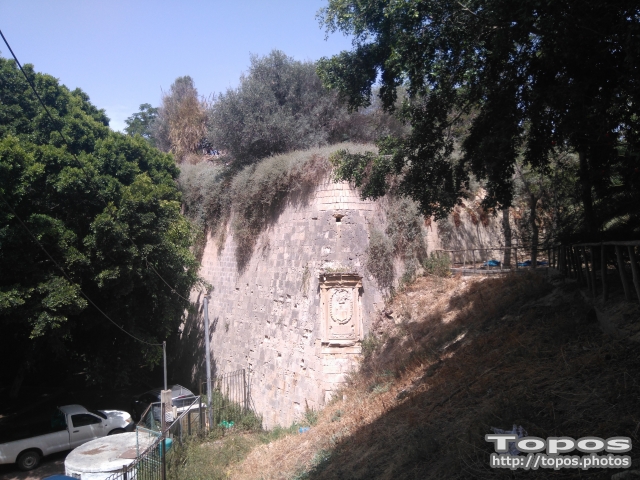
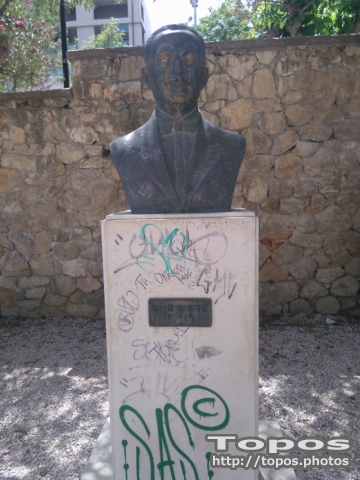
St. George gate is the gate that once connected the Venetian town of Chandaka to eastern Crete. The gate is located to the east of Eleftherias Square just below the statue of Eleftherios Venizelos.
According to an inscription, the gate is built in 1565. Its name comes from a relief decorative representation of St. George, which is today exhibited in the historical museum of the city. The gate was formerly known as Lazareto, because it led to the homonymous sanctuary, and later as Maroulas gate leading to the homonymous district.
A 43 meter-long gallery begins through the gate, which can be visited and usually hosts exhibitions, which ends at the east of Eleftherias Square.

The Museum of the Battle of Crete and National Resistance (1941-1945) was founded by the Municipality of Heraklion in May 1994.




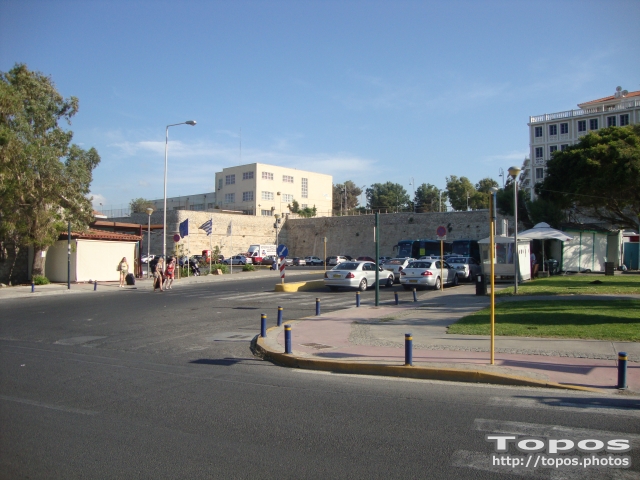





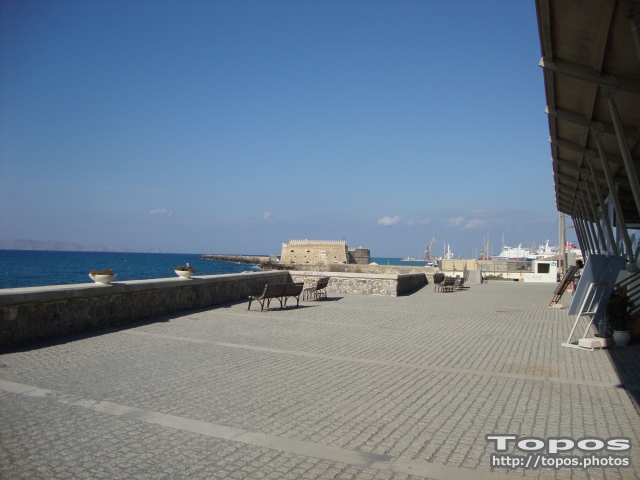

Castello del Molo (Koules)
The fortress dominating the entrance to the Venetian harbour has been variously referred to as the Castello del Molo, the Rocca a Mare and the Koules.
The Fortress of Koules in Heraklion Crete: The Venetian Castle of Heraklion is called Koules, which means “fortress” in Turkish. It is an impressive fortress that surrounds the harbor of Heraklion, Crete. The Koules Castle is a massive fortress with two storeys that used to guard the entry to the port. The Castle was constructed by the Venetians in the early 13th century, when they conquered the town. The earliest description of the Koules Venetian Castle exists in the work of the Florentine monk Cristoforo Buondelmonti in 1429.The Fortress was primarily built for the storage of the food stuff and the military supplies. It also served as the quarter for the officers and as a prison. A devastating earthquake completely destroyed the Castle in 1303 and it was rebuilt by the Genoese. The fortress was again restored during 1523 – 1540 and got its ultimate form. During the Ottoman rule, the Castle was again transformed to a prison. Several Cretan heroes who revolted against the Ottomans had been imprisoned in the castle and had been killed in the dark dungeons.The architecture of the Castle is the typical Venetian architectural style. The construction was such that the walls of the Castle could protect the breakwater of the harbor. The Castle was made of stones. The ground floor has vaulted roof with broad fanlight. The walls were very thick and were divided into 26 apartments serving as the residence of the “Kastelanos”, the officer responsible for the well-being of the castle, as well as the dwellings of the captains and other officers.A part of the ground floor was also used as the storeroom. There were three carvings of the Lion of St. Mark in the Castle. The one at the sea side of the castle exists to these days. The upper floor and the basis of a minaret were added in the original construction by the Ottomans. Today the Koules Venetian Castle has been cleaned and restored many times. It is visited by thousands of people every year and constists the trademark of Heraklion town.
Recent Modifications
In the early 20th century Heraklion was the island's largest centre of commerce, and radical changes to the town plan were called for in response to the demands of a modern city.Public works involving the demolition of monuments in the harbour area were initiated by the government of the Independent Cretan State and completed after World War Two.
In the initial phase, the Shipyard Gate and the half bastion protecting it, the Harbour Gate and a sizeable section of the arsenali were knocked down to make room for the sea-front road and an extension to the harbour.
A cargo dock was then built on the site previously occupied by the small Koules. Finally, a modern port serving passenger ferries and cargo vessels was added to the east of the Venetian harbour.


 Login with
Facebook
Login with
Facebook